
Etiopía Shale
Washing Station
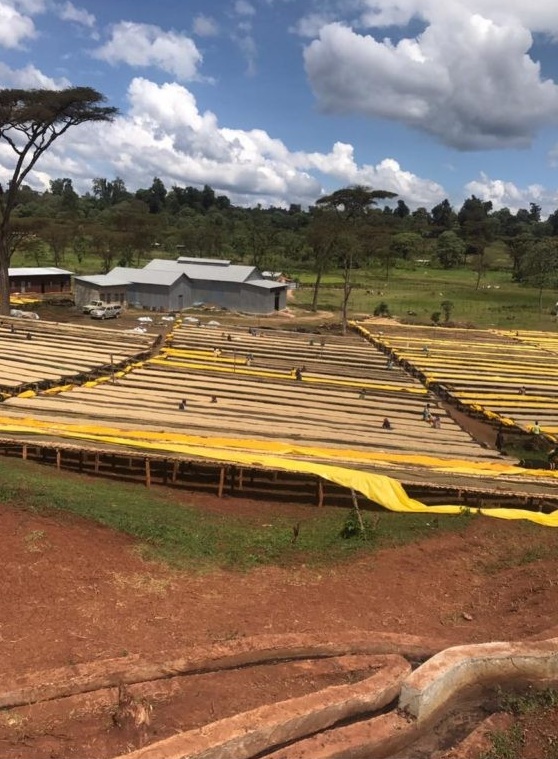
The Shale washing station is located near the town of Worka, in the Yirgacheffe region. Nearly 1,500 small-scale producers in the area deliver their cherries during the harvest season for processing. Their gardens range in size from 1/2 to 1/8 hectare.
Once the cherries are processed, the coffees are sorted into batches according to the order of arrival, location, and so on.
This coffee has an extraordinary complexity of taste, representing the fruity and floral profile characteristic of Ethiopian coffees. Its bergamot notes reflect the terroir of Yirgacheffe.
Process Method
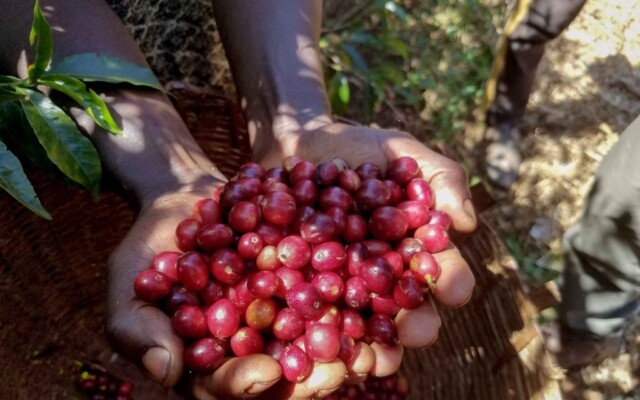
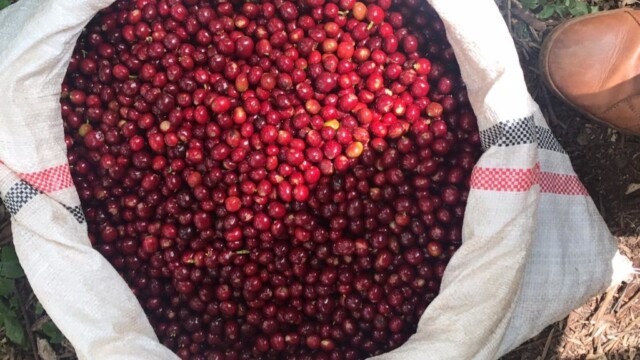
The cherries are picked at their peak ripeness and taken to the washing station, where the initial selection is made by density. They are then placed in the pulper, and the berries are taken to the fermentation tank to remove the mucilage for 12 hours.
After these 12 hours, they are placed on raised pallets for 14 to 18 days. The berries are stirred every hour to ensure the most uniform drying possible.
Origin
Ethiopia is widely known as the cradle of coffee. Already in the X century, the Ethiopians crossed the mountains eating red cherries from trees of wild coffees. It is from this indigenous plant that Arabica coffee spread worldwide.
Ethiopia is the first coffee producer in Africa and the sixth in the world. This accounts for almost 70% of its export revenues and employs approximately 15 million Ethiopians. There is one main crop per year that takes place between November and February. More than half of Ethiopian coffee is produced in small plots of land around the coffee grower’s house known as the ‘coffee gardens’. Only 5% of Ethiopian coffee is produced in large estates and tend to be low altitude plantations in the west of the country. Ethiopia makes use of both processing methods, washed and unwashed, with a wide variety of varieties and cultivars producing some of the most magnificent and unique coffees in the world.
Guji is an area in the Oromia region of southern Ethiopia.
The majority of the residents of this region are Oromo and speak the Oromo language, which is completely different from the main language of Ethiopia, Amharic. Like many of the coffee regions of the country, the culture of the Guji Zone varies from woreda to woreda. The main source of fresh water in the area is the Ganale Dorya River, which also acts as the border line with the neighboring Bale area to the east.
To the west, Guji borders the southern Gedeb woreda of the Gedeo Zone in neighboring South Nations, Nationalities and Popular Region, part of the Yirgacheffe coffee growing area.
13,75 € – 55 €
Free shipping from €40 purchase