
México Neri
The Farm
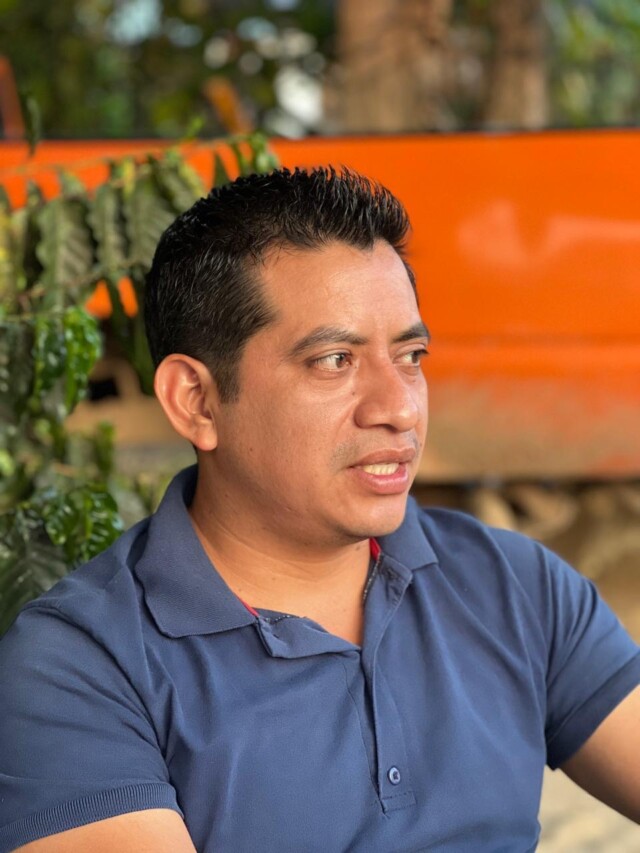
Neri Ortiz, from a coffee-growing family, is a small producer and roaster of specialty coffees in the town of San José Ixtepec, Chiapas, Mexico. Chiapas is one of the best-known areas of the country for its chocolatey, heavy-bodied coffees with hints of stone fruit.
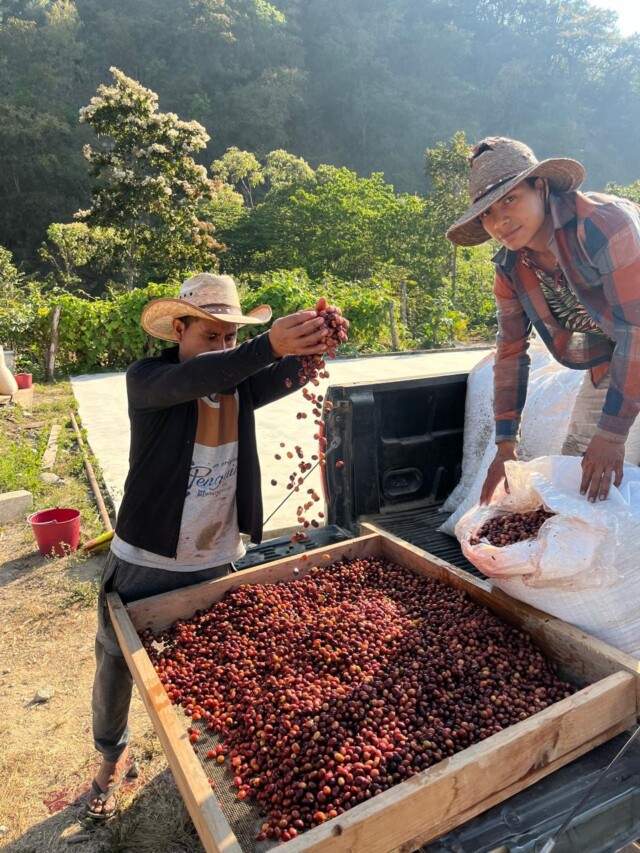
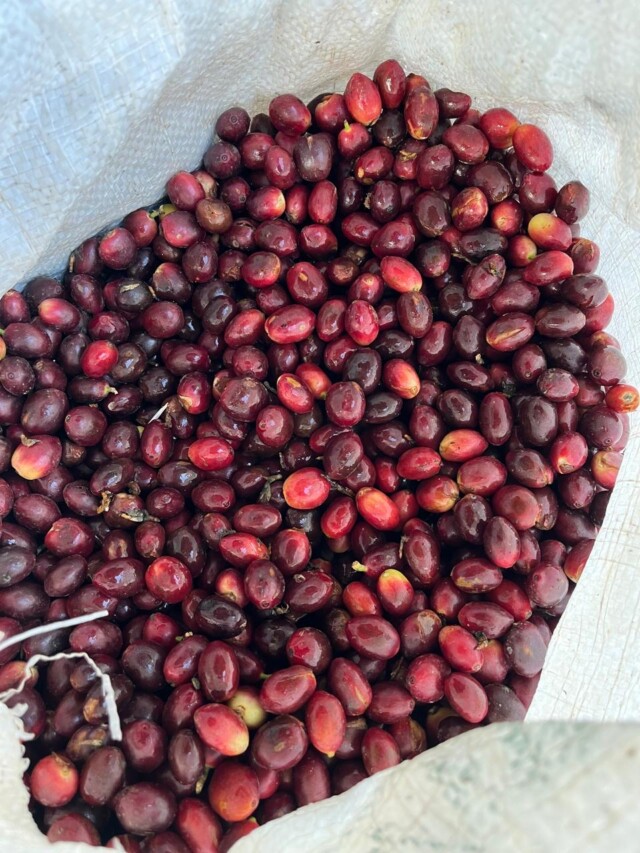
Neri studied agriculture, which gives him the knowledge to be able to collaborate and closely support the small producers in the area in their daily lives, providing them with advice on the technical development of their crops. During the harvest, he buys the best cherries selected by all of them and then carries out the entire processing process on his small family plot. With this project, he hopes to positively influence his community, training producers in the use of sustainable cultivation techniques for the production of high-quality coffee.
In addition, his intention is that all of this will generate jobs and the community will decide to stay in the area and not emigrate to the city.
Process Method
Passionate about natural coffees, Neri decided to experiment with this process that is not so common in his area. Once the cherries are selected, they are left to ferment anaerobically (without air) in bags for three days in a cool, low-temperature environment. After this time, the cherries are left to ferment for two more days in water tanks to be able to separate the floaters.
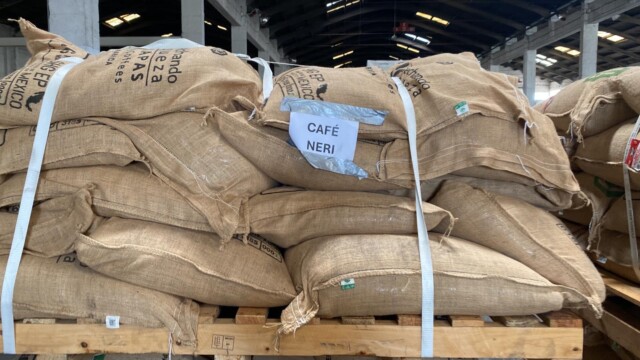
They are then dried on raised pallets until they reach the desired humidity, stirring regularly to ensure uniform drying. After this time, they are placed in sacks to rest so that the beans can absorb all the flavours that will stand out in the final cup.
Origin
As in most of Mesoamerica, coffee was first planted in Mexico during the early colonial days, most likely in the late 18th century. However, due to the increased attention paid to the region’s rich mineral deposits and mining opportunities, coffee did not develop as an industry until later, especially in the late 19th and early 20th centuries, with the redistribution of farms, the independence and emergence of small farmers, specifically those of indigenous origin. At the end of the 20th century, the Mexican government established a national coffee institution called INMECAFE, which, like the FNC in Colombia and ICAFE in Costa Rica, was developed to offer technical assistance, information and botanical material, and financial credits to producers.
Unfortunately, INMECAFE was something of a short-lived experiment, disbanding in 1989, leaving producers with a gap in their access to support and resources, especially those in very remote rural areas. This infrastructure disruption and the coffee crisis that followed the end of the International Coffee Agreement plunged Mexico’s coffee growers into desperate financial times, which in turn dramatically affected quality. Throughout the 1990s and since the early 21st century, an increased presence, influence and focus of Fair Trade and Fairtrade certifications and the emphasis of democratically led smallholder cooperative organization have worked to transform the image of Mexican coffee. in one that reflects sustainability, affordability, and relatively easy logistics, considering its proximity to the United States.
In recent years, Mexico has fought mightily with coffee leaf rust and other pathogens that have reduced both yield and cup quality. This, combined with the huge turnover of land ownership and the loss of labor to emigration and relocation has created a tentative future for the producing country, although we have seen great cups and great promises from quality producers and associations. . The best cups are fantastic, and are well worth the long-term work and investment to try to overcome the hurdles faced by the average farmer, who owns between 1-5 hectares. (Although some of the medium-sized farms will run closer to 25 hectares) which helps offset the area’s lack of rainfall. The shade is especially dense to protect the coffee trees from the occasional frost in the region.
14 € – 56 €
Free shipping from €40 purchase