Honduras El Terrerito
The Farm
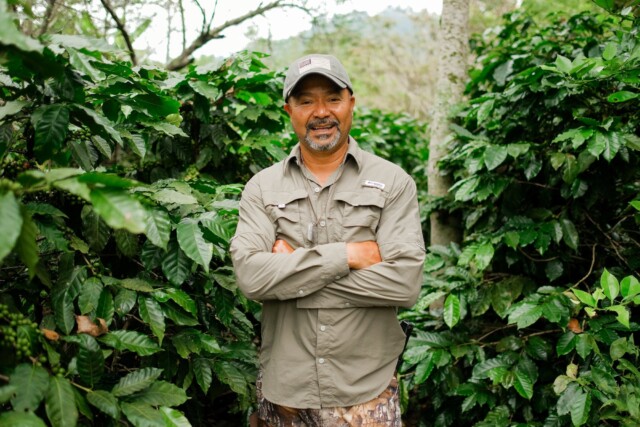
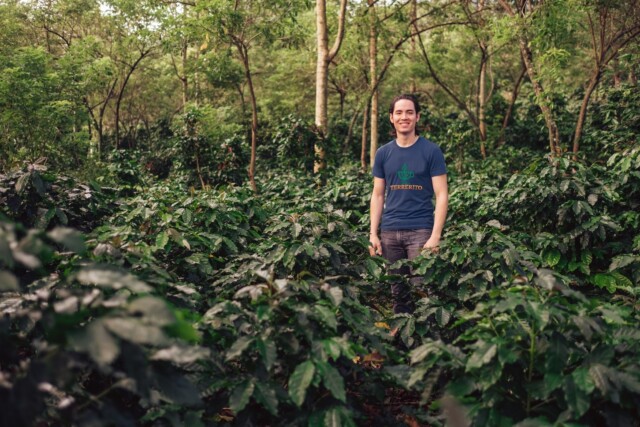
Finca Terrerito is a fifth-generation coffee farm located in Copán, Honduras, and the core of the Finca T Coffee project. Behind this initiative are Adelmo Lopez, a fourth-generation producer born in Corquín, and Harry Hutchins, responsible for development and partnerships, who together have built a model based on quality, traceability, and direct connection to origin.
The farm is located in one of the most renowned coffee-growing areas in western Honduras, where high-altitude cultivation and natural conditions allow for coffees with great balance and sweetness. In addition to its own production, the project works closely with neighboring farms, integrating their lots under a strict quality control system.
Beyond coffee, Finca T has a strong social commitment: the project promotes initiatives such as building a school and a medical clinic, as well as providing access to clean water for workers and nearby communities. This approach reflects a vision where sustainability is not only agricultural but also human, understanding coffee as a tool for long-term development.
The result is a coffee that not only expresses the character of Honduran origin but also the commitment of the people behind it.
Process
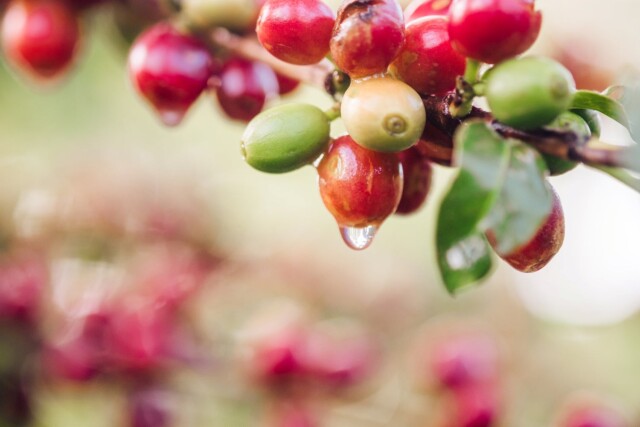
This lot has been produced using the Honey process, in which cherries are harvested at peak ripeness and pulped, leaving the mucilage attached to the bean.
Drying takes place on raised african beds, where the beans are carefully monitored and regularly turned to ensure even dehydration. This process requires precise control of time and environmental conditions, as the balance in drying is key to avoiding defects and enhancing the cup profile.
Origin
The “origin” story of Honduras isn’t clear: reports vary on when and how coffee arrived in the country for the first time, although conventional wisdom puts the first year of notable harvest in 1804, in the department of Comayagua. No matter when the plants were brought here, they have played an increasingly important role in the national economy since then, so much so that credit is largely given to coffee for having prevented the national government from breaking during the 2009 financial crisis.
Established in 1970 (and privatized in 2000), the Honduran Coffee Institute (IHCAFE) has sought to improve infrastructure that would encourage the development of higher quality markets, as well as provide more resistant varieties and technological advances, especially to many small producers . The organization is also very involved in organizing and marketing the country’s Cup of Excellences competitions, which have brought a noteworthy increase in attention and credit given to the finest lots the producers here have to offer.
Despite lacking the reputation of other Central American coffee-growing countries such as Costa Rica, El Salvador and Guatemala, Honduras has quietly become the largest producer, exporting more volume than any other nation in the region, becoming the seventh largest exporter in the world. While there is certainly quantity coming out of Honduras, it can be harder to find truly quality coffees here, though, because the country lacks the infrastructure to support the more nuanced specialty market its neighbors enjoy.
The Central Bank of Honduras reports that coffee is the main agricultural export for the country, with around 6.1 million bags of the 2015/2016 crop. Unfortunately, low prices and a reputation for inferior quality (“blenders”) have prevented farmers from obtaining the necessary capital to invest in their varieties, their agriculture, profit or commercialization.
Drying is a particularly difficult part of the processing chain that has limited Honduras’s breakthrough as a true specialty origin: Because of the climate, many producer are increasingly turning to fully mechanical drying, which certainly speeds up the drying process but can contribute to overall instability in the moisture content and water activity of the lots, which can result in quality concerns over time.
The prominence of quality competitions and high-profile auctions such as the Cup of Excellence has inspired larger and wealthier producers to plant new varieties, experiment with processing, and make improvements to their technique and infrastructure. Increased research and extension services by IHCAFE has also contributed to heightened awareness of the specialty-coffee market among Honduran producers, and there is continued potential as media and social media attention increases on the nation.
16 € – 64 €
Envío gratuito a partir de 40€ de compra. (Península y Baleares)