
Tanzania Acacia Hills
The Farm
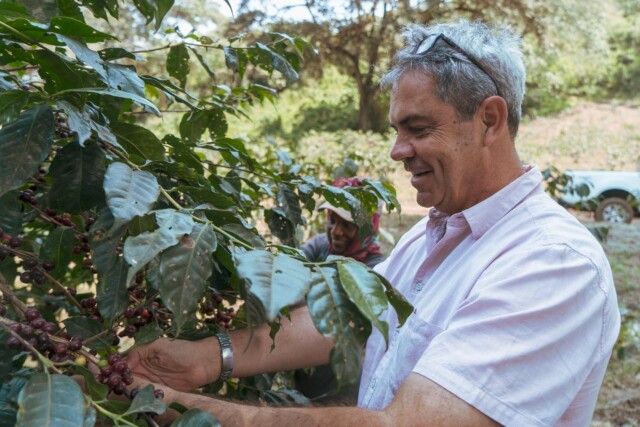
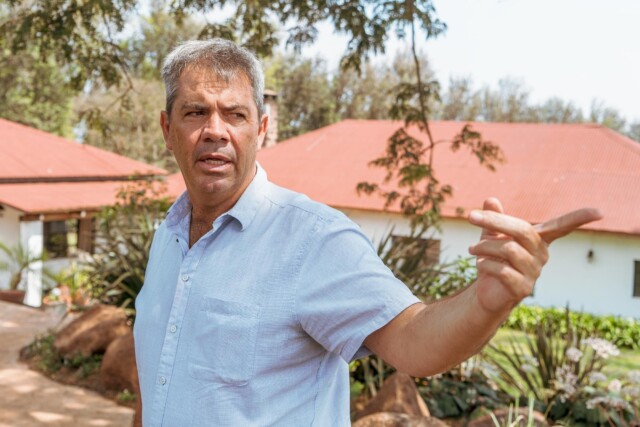
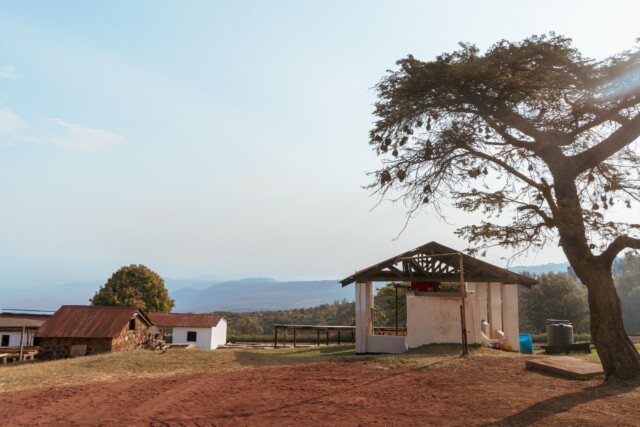
Most of the coffee plantations found in northern Tanzania were established in the 1920s after World War I. León’s grandparents were one of these immigrant families from Greece who decided to make coffee farming their profession. León is the third generation of this coffee-growing family and decided in 2000 to look for land to grow coffee at a higher altitude than his family had had, just outside the city of Arusha.
Today, as in the past, the coffee produced in Tanzania is barely consumed by the national population. All production is exported, almost all of which is commodity coffee. Years ago, when international coffee prices fell, it became difficult to survive solely on coffee production. The shift toward specialty coffee was urgently needed, says León.
It was during this time that he attended the African Coffee Association trade fair and met Mark Stell, who is currently his partner. Mark is the founder of Portland Coffee Roasters in the United States, and together they decided to purchase a coffee plantation on Mount Oldeani. There are two reasons why León chose the Oldeani land for his new coffee plantation. First, of all the Tanzanian coffees Mark had tasted, the coffee he found most delicious was produced in Oldeani. Second, León had heard from a researcher that the Oldeani soil was ideal for coffee cultivation.
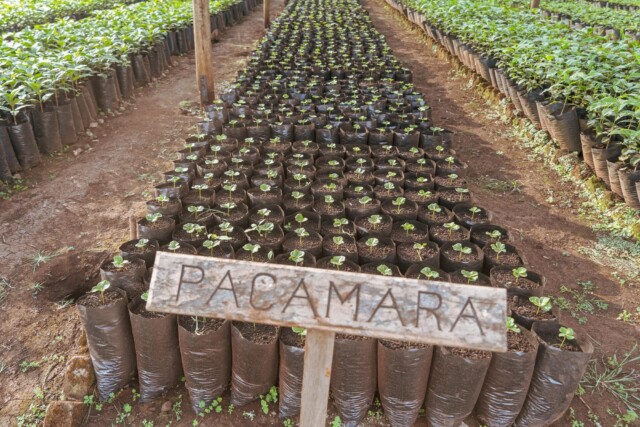
León revived this coffee plantation, which had been in a sorry state. He began planting high-quality coffee trees of different varieties such as Kent, SL 28, Geisha, and Pacamara. Thanks to León’s conscientious efforts and the wonderful natural environment, the coffee quality and production have experienced favorable growth.
Process method
León decided to build water supply infrastructure in Oldani by installing water equipment on his two coffee plantations and installing a water transportation system to the village water supply tank using gravity-fed pipes. The villages in this area are very poor, and León is trying to use these resources to create social and economic improvements in the area.
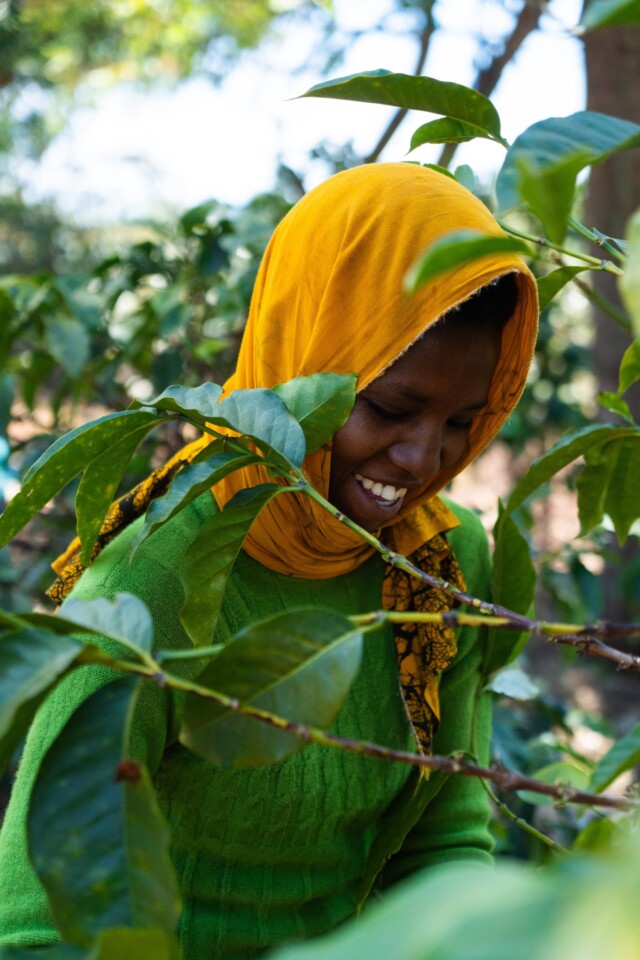
This Pacamara lot has been produced using the washed process. The cherries are harvested at their optimal stage of ripeness and carefully selected before processing begins.
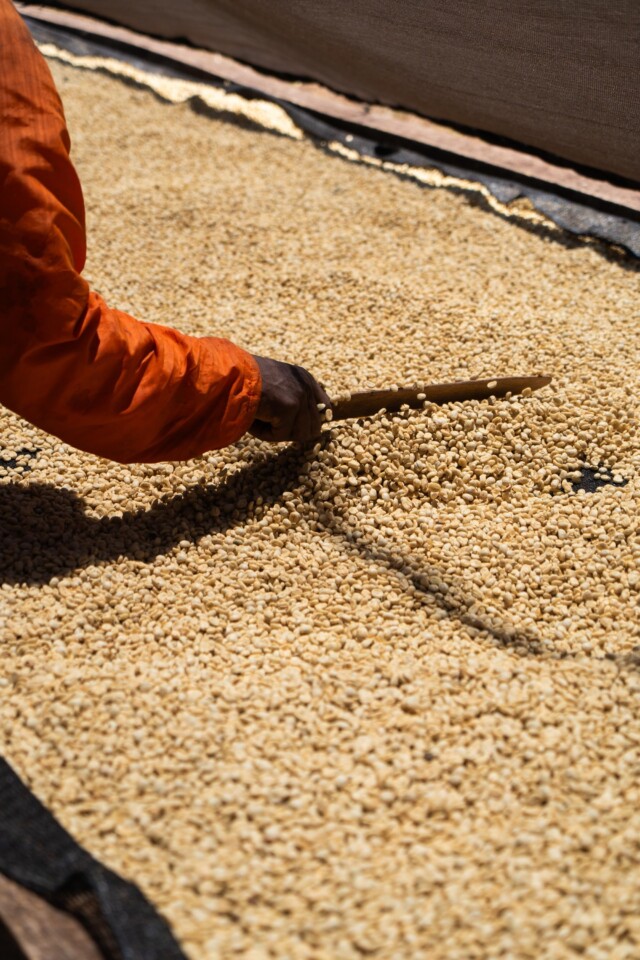
After harvesting, the cherries are pulped to remove the skin and most of the fruit pulp. The beans are then transferred to fermentation tanks to remove the mucilage. Once the optimal fermentation time has been reached, the beans are dried on raised beds until they reach approximately 11% moisture content, before being transported to the dry mill.
The washed process aims to achieve a clean and well-defined cup, allowing both the characteristics of the Pacamara variety and the distinctive terroir of Acacia Hills to be clearly expressed.
Origin
Introduced in 1904 by German missionaries, coffee in Rwanda has an important history. There, the climate, altitude and the pre-eminence of the Bourbon variety give it unequalled qualities in cup.
At the beginning of the 90s coffee was its most lucrative product of export: about 45 thousand tons left the country and gave sustenance to many small farmers. In 1994, tremendous genocide killed the lives of nearly a million people and destroyed Rwanda’s economy by eliminating much of the specialized knowledge needed to grow and export successfully.
Today, the country produces less than half the coffee it exported in 1990. However, despite the tragic events that have shaken its recent history, Rwanda retains its enormous potential in the coffee sector.
In order to rebuild agricultural institutions, production capacity and human capital, the PEARL (The Partnership for Enhancing Agriculture in Rwanda through Linkages) was designed in 2000. Thus, small coffee growers can sell directly to expert buyers receiving high prices for their exceptional product.
Today approximately 420,000 people are directly or indirectly related to the coffee industry. The prices of quality coffee are more stable than the prices of commercial coffee, which has improved the quality of life of many coffee growers and their families. In addition, coffee also contributes to the reconciliation of the main ethnic groups: Hutus and Tutsis; since we have seen them working together, shoulder to shoulder, to produce more and better coffee.
17,50 € – 71 €
Envío gratuito a partir de 40€ de compra. (Península y Baleares)