The influence of altitude on the flavour of coffee is one of the most fascinating topics for those seeking to understand why two beans of the same variety grown in different terroirs can offer surprisingly different sensory profiles.
Altitude not only determines the climate of the coffee plantation, but also the rate at which the cherry ripens, the density of the bean and, consequently, the aromatic complexity found in the cup. Understanding this factor is key to interpreting an origin and, above all, to appreciating the diversity of speciality coffee.
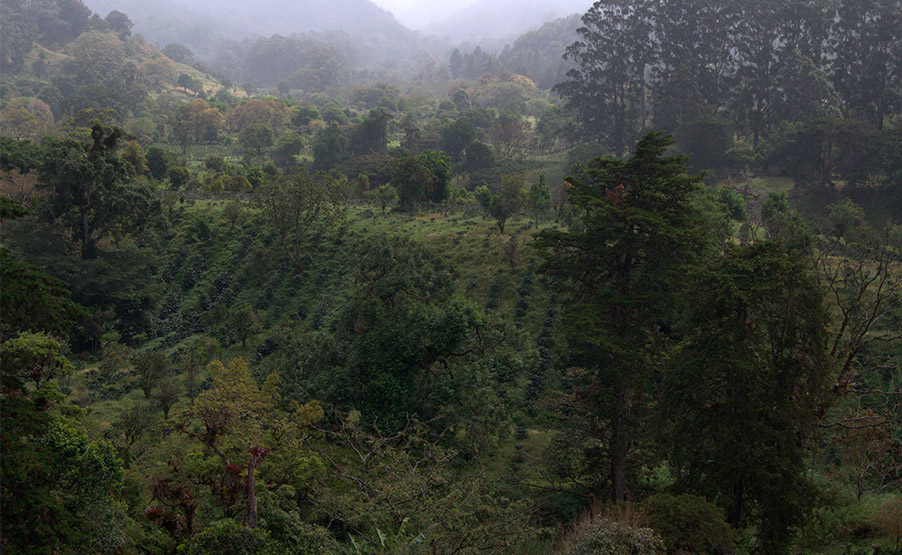
Why does altitude matter?
When we talk about altitude in relation to coffee, we are referring to the number of metres above sea level at which the plant is grown. Although it may seem like a minor detail, altitude determines the temperature, sun exposure, humidity and stress levels the plant is subjected to. All these factors influence the speed at which the fruit ripens and the chemical composition of the green bean.
Generally speaking, the higher the altitude, the lower the temperature. And, in coffee, moderate cold is an ally; for every 100 metres of altitude, the temperature drops by 0.6°C. These milder temperatures slow down the development of the cherry. Furthermore, they allow sugars, organic acids and other aromatic compounds to accumulate in a more balanced way.
This is why many high-altitude coffees exhibit a more delicate acidity, clearer aromas and a complexity that is hard to find at lower altitudes. It is clear that altitude plays a significant role in the flavour of coffee.
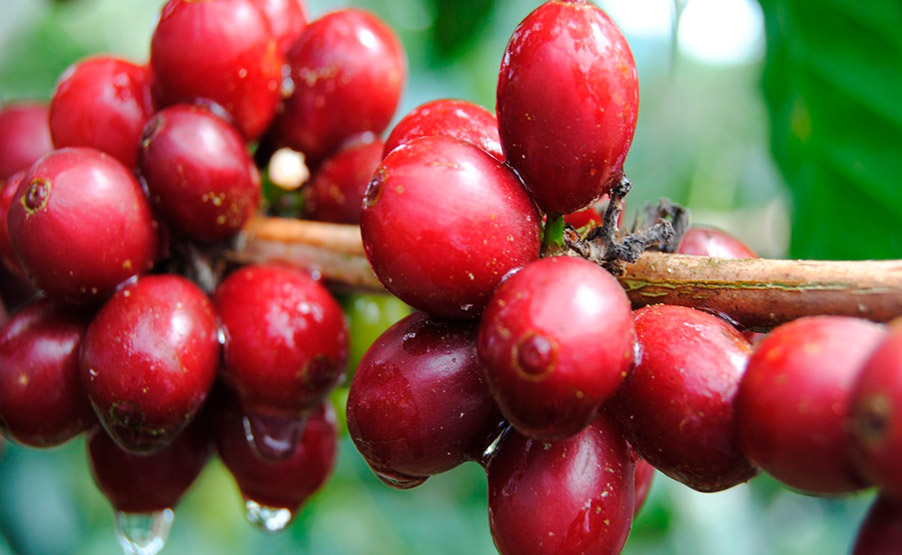
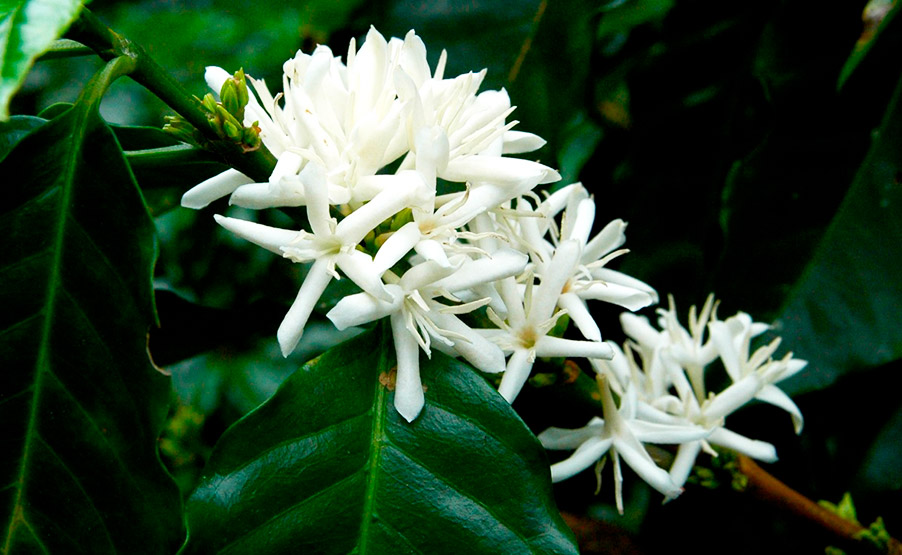
What happens in the plant: physiology and sensory chemistry
At medium and high altitudes, the plant grows in more demanding conditions: less oxygen, colder nights and a greater temperature contrast between day and night. This ‘positive stress’ causes the cherry to ripen slowly, resulting in a denser bean. This density is an indicator of quality, as it is associated with a higher concentration of compounds involved in the formation of aromas during roasting.
Furthermore, at high altitudes there is usually less pressure from certain pests and a lower incidence of fungal growth. When combined with well-drained soils and flowering that is better adapted to the climate, this results in beans with very distinct flavour profiles.
From a chemical perspective, the influence of altitude on the flavour of coffee is as follows:
- Natural sugars: these become more concentrated, imparting a more refined sweetness. For every 300 metres, the concentration of sucrose increases by 10%.
- Organic acids: citric, malic, phosphoric… responsible for a cleaner, more vibrant acidity, balanced by a higher concentration of natural sugars, as mentioned in the previous point.
- Volatile compounds: precursors of floral and fruity aromas that are released during roasting.
- Trigonelline: this plant alkaloid, present in coffee and found in greater quantities at higher altitudes, contributes not only to the aroma but also possesses antioxidant and neuroprotective properties.
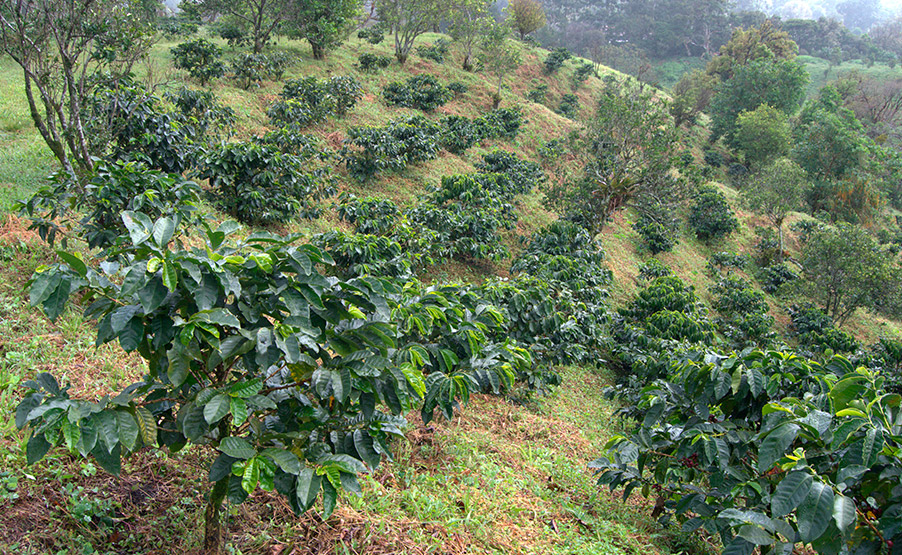
The influence of altitude on coffee flavour in mountain coffee cultivation. Flavour profiles according to altitude
Note: highland coffees, such as those from Brazil, are grown at lower altitudes, partly due to their distance from the equator. Altitude is also related to latitude.
It is clear that each origin and each variety has its own character. However, it is possible to identify relatively consistent sensory trends based on altitude range.
<800 m: low-altitude coffees
Coffees grown at lower altitudes tend to develop more quickly due to higher temperatures. This results in less dense beans and simple or bland flavour profiles, lacking acidity.
Typical profile: notes of caramel, toasted grains or nut shells. Without sweetness or acidity, they tend to be bitter, earthy and ‘woody’.
800–1,400 m: medium altitude
At this altitude, the plant finds the right balance: temperatures are still mild, but there is sufficient temperature variation to enrich the bean’s internal composition.
Typical profile: sweetness, acidity and body begin to emerge. Chocolate, toffee and dried fruit aromas with an emerging fruity note and greater clarity in the cup. Many Central American coffees with a ‘classic’ profile come from this altitude range.
1,500–2,000 m: high altitude
Here we enter territory where the coffee shows its best side when the agronomic conditions are favourable. Maturation is slow and the bean acquires a remarkable density.
Typical profile: bright and complex acidity, intense aromas (white flowers, citrus, stone fruits, red fruits). Refined sweetness and a silkier texture. These are coffees with great sensory clarity, much prized in filter brews.
As a reminder, the higher the altitude, the more complex the bean becomes. Therefore, 1800 m is preferable to 1400 m.
Over 2,000 m: extreme altitude
It is not common to find plantations at this altitude these days, but when the environment allows (Ethiopia, Panama), the results are usually extraordinary with the correct agronomic practices. The fruit develops very slowly and can result in highly expressive profiles. Inevitably, there is also more rain and humidity, which increase fruity acids, and the coffee plants grow under shade, increasing the concentration of sugars that are the precursors of the aromas.
Typical profile: very well-defined flavours; pronounced florals, tropical or stone fruit, vibrant acidity and, in some cases, wine-like or spicy notes. They tend to have low yields but excellent sensory value, achieving high prices, awards and international recognition.
How altitude is reflected in roasting and extraction
Of course, bean density is a key factor in roasting. Higher-altitude coffees require more precise curves. This means a gradual heating process to ensure even caramelisation and prevent aromatic breakdown. When roasted correctly, they reveal their complexity with extraordinary clarity.
In extraction (both espresso and filter), high-altitude coffees tend to benefit from:
- A much finer grind (harder bean).
- Medium-mineralised water.
- Slightly higher ratios to bring out acidity and sweetness.
Mid-altitude coffees, being less dense and having very low acidity, respond well to more direct extractions and slightly darker roasts, especially for espresso.
Myths and realities about the influence of altitude on coffee flavour
It is often said that ‘the higher, the better’. However, whilst altitude is a key factor, it is not the only one. The final quality also depends on the variety, the terroir, agronomic management, the processing method and the roast. There are medium-altitude coffees of exceptional elegance, and high-altitude coffees that fail to reach their potential due to poor practices.
Altitude provides a guide, but does not in itself define quality. What it does define is a general profile trend: greater complexity, acidity and sweetness at high altitudes; more body and warm notes at medium altitudes.