México El Plátano
The Farm
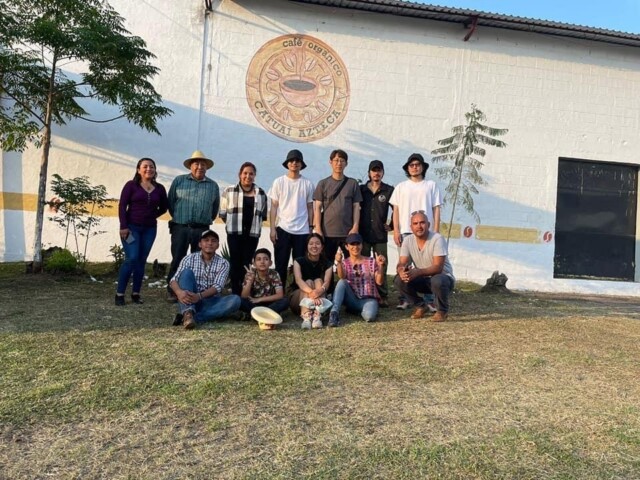
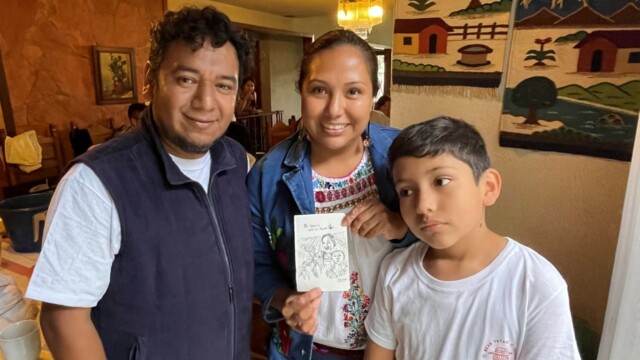
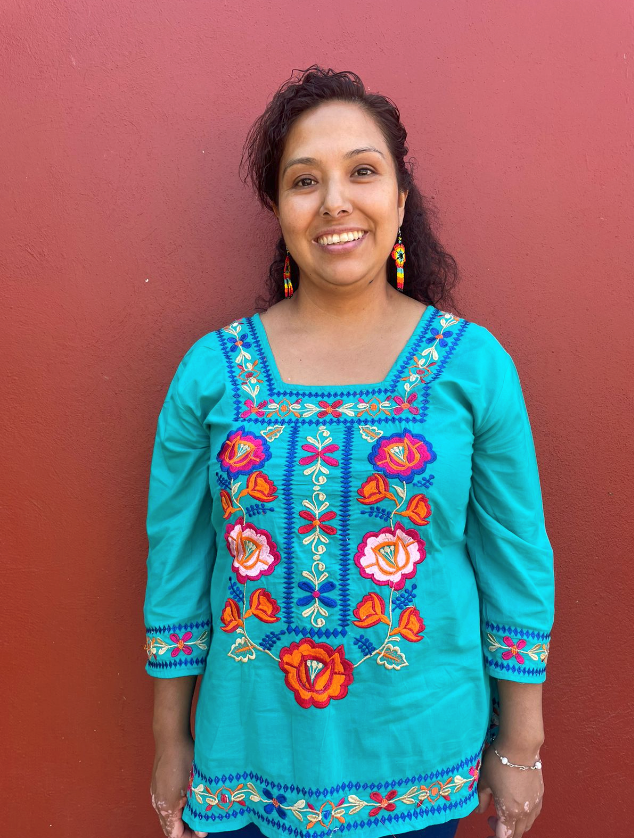
Marisol Ramírez Serrano is the second generation to grow coffee on the family farm. From a young age, under the guidance of her father, Marisol honed her skills and developed a deep respect for the craft.
Over time, her passion for coffee grew, leading her to become a certified Q-Grader. This achievement not only demonstrated her expertise but also her commitment to the quality of each coffee she produced. With this new knowledge and passion, Mari took the reins of Finca el Plátano, combining new practices with tradition.
Her involvement in the coffee industry has been transformative, not only for the family business but also for the local community. Mari’s dedication to sustainable agriculture and innovative approach to coffee production have inspired many. She works tirelessly to ensure that every cup of coffee tells a story of hard work, passion, and a relentless pursuit of excellence.
Despite her numerous accomplishments, Mari remains humble and focused on the future. He sees challenges as opportunities for growth and innovation, and constantly seeks ways to improve his craft and contribute to the coffee industry. His story is one of passion, perseverance, and an unwavering love for coffee that transcends generations.
Bean Voyage
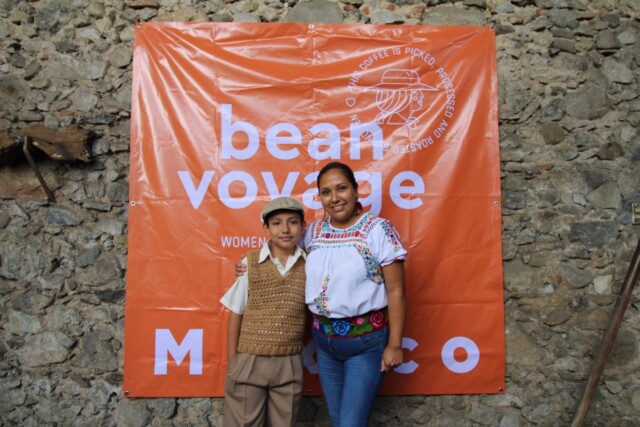
“I met Sunghee at the 2025 Honduras Cup of Excellence. I immediately felt a complete connection with her project, as it combines the pursuit of quality in the cup and, most importantly, giving women coffee farmers a voice, encouraging them to believe they are capable of producing coffee and changing their present and future. Bean Voyage is a project by women for women that seeks to change socially established patterns so that women coffee farmers have rights, advantages, are taken into account, and enjoy equality.” Claudia Sans, 2025.
Bean Voyage began in 2016 as a master’s project after a simple but moving conversation. Sunghee Tark and Abhinav Khanal met Ericka Mora and her family on their trip to Costa Rica. She told them about her dream: to build a successful coffee business that could support her family. That sparked something in both of them.
As they continued talking with other coffee farmers, they realized the challenges women coffee growers faced: limited training, little access to financing, limited market opportunities, and the absence of a supportive community. The two thought: something had to change, and it was then, in 2017, that they decided to launch Bean Voyage. A coffee exporter with the goal of giving visibility to women producers, creating connections in the community, providing training, and being a market bridge between them and roasters around the world.
Today, they support more than 300 women coffee growers through their programs. They also organize conventions in coffee-growing regions so women can meet and learn from each other. They work with coffees from Costa Rica, Mexico, and now, recently, Colombia.
Process Method
Only the ripest cherries are picked during the harvest.
The cherries are pulped the same day and put in fermentation tanks for 24 hours. Once the mucilage has come off the grain, they are left to dry in the sun for five days.
Origin
As in most of Mesoamerica, coffee was first planted in Mexico during the early colonial days, most likely in the late 18th century. However, due to the increased attention paid to the region’s rich mineral deposits and mining opportunities, coffee did not develop as an industry until later, especially in the late 19th and early 20th centuries, with the redistribution of farms, the independence and emergence of small farmers, specifically those of indigenous origin. At the end of the 20th century, the Mexican government established a national coffee institution called INMECAFE, which, like the FNC in Colombia and ICAFE in Costa Rica, was developed to offer technical assistance, information and botanical material, and financial credits to producers.
Unfortunately, INMECAFE was something of a short-lived experiment, disbanding in 1989, leaving producers with a gap in their access to support and resources, especially those in very remote rural areas. This infrastructure disruption and the coffee crisis that followed the end of the International Coffee Agreement plunged Mexico’s coffee growers into desperate financial times, which in turn dramatically affected quality. Throughout the 1990s and since the early 21st century, an increased presence, influence and focus of Fair Trade and Fairtrade certifications and the emphasis of democratically led smallholder cooperative organization have worked to transform the image of Mexican coffee. in one that reflects sustainability, affordability, and relatively easy logistics, considering its proximity to the United States.
In recent years, Mexico has fought mightily with coffee leaf rust and other pathogens that have reduced both yield and cup quality. This, combined with the huge turnover of land ownership and the loss of labor to emigration and relocation has created a tentative future for the producing country, although we have seen great cups and great promises from quality producers and associations. The best cups are fantastic, and are well worth the long-term work and investment to try to overcome the hurdles faced by the average farmer, who owns between 1-5 hectares. (Although some of the medium-sized farms will run closer to 25 hectares) which helps offset the area’s lack of rainfall. The shade is especially dense to protect the coffee trees from the occasional frost in the region.
12,50 € – 50 €
Envío gratuito a partir de 40€ de compra. (Península y Baleares)