Panamá Hartmann
Hartmann
In the world of coffee, the Hartmann family is a recognized name, known for its vision, meticulous approach, and high-quality coffee. They are among the pioneers of specialty coffee production in Panama.
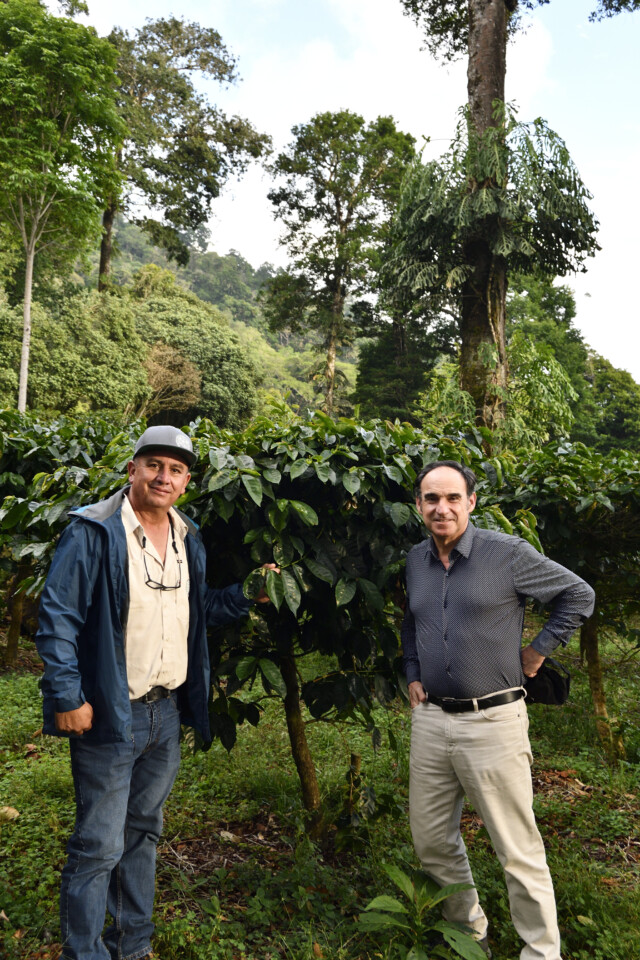
We arrived at Finca Hartmann in the late morning, full of excitement, as we had enjoyed some excellent coffees from this farm over several harvests at Cafés El Magnífico. From the very beginning, we received a warm and welcoming reception. Much of the Hartmann family was there, including Mr. Allan Hartmann, his wife, daughters, and nieces. The visit allowed us to get to know not only their coffees, but also the people and family history behind the farm.
We began with the cupping sessions and, throughout the day, worked our way through five tables, each featuring twelve coffees — around sixty samples in total. It was a fantastic opportunity to taste a wide variety of coffees, discuss them, and share our impressions with the family.
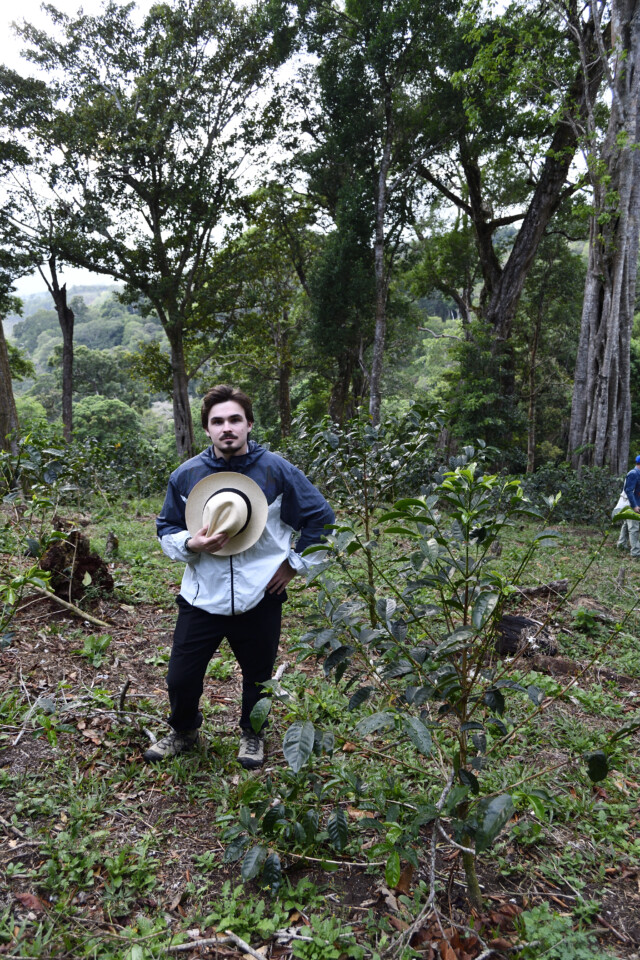
One of the most special moments came after lunch, when we headed out to explore the farm. We were shown different areas of the property while learning about the farm’s history, the family’s journey, and the work carried out by the Hartmann family.
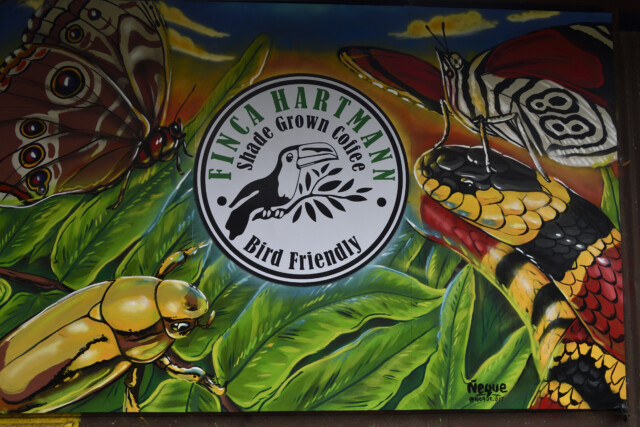
During the tour, they also told us about the native wildlife (incidentally, visitors can explore the entomological collection of Mr. Ratibor Hartmann Sr. in one of the offices. It includes giant tarantulas, scorpions, several snakes, golden beetles, and even one of the largest beetles in the world, the Antillean Hercules beetle), as well as the surrounding natural environment and how they work with the nature around them in mind.
This was a particularly fascinating part of the visit, as it helped us understand that Hartmann is about much more than coffee production: it represents an approach to farming that is deeply connected to the surrounding landscape.
After the tour, we returned to an area near the family home to cup a few more coffees. This second session allowed us to focus on additional samples and continue exchanging impressions.
Agronomic Management and Coffee Farm Renovation
During the visit, we also had the opportunity to learn in detail how the coffee farm is managed. We were told that they are reorganising the plots and plan to maintain around two hectares of Maragogipe, in addition to approximately six hectares of Chicho Gallos. In the latter area, they are testing a new pruning method to assess the results before deciding whether to implement it on a larger scale.
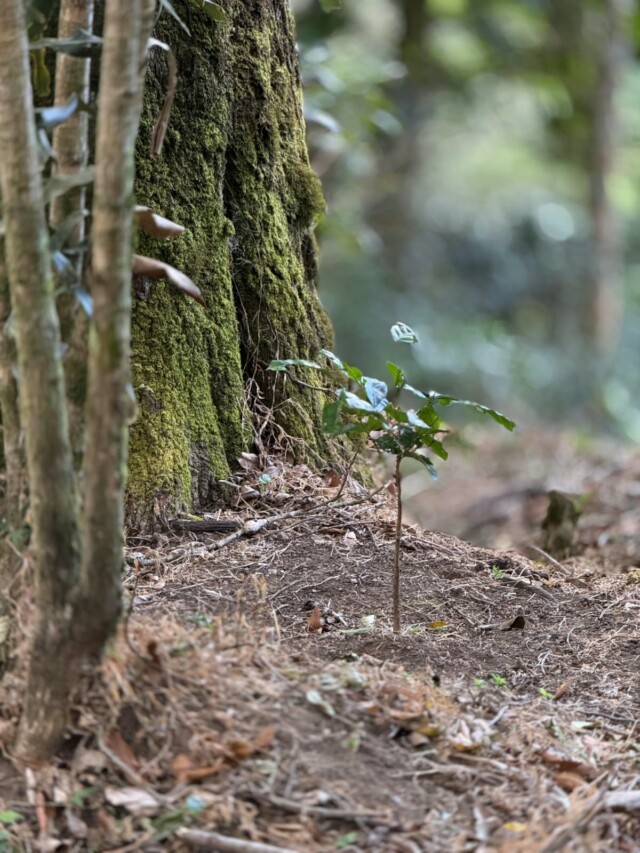
They are therefore adopting a more thorough, careful and largely biological approach to coffee farming. The message they conveyed to us was that planting a coffee tree is not enough: it requires attention, monitoring and suitable conditions to develop properly. Thanks to rejuvenation pruning, they are now achieving their first harvest as early as the second year. This is a significant change that highlights the importance of combining coffee farm renovation with consistent management focused on plant health.
Finca Hartmann left us with an unforgettable impression, thanks to the completeness of the experience, both on a personal level and through its coffees and the tour of the beautiful natural surroundings and coffee farm. It was a truly warm and enriching day, above all because of the opportunity to spend time with the hospitable, hardworking and charming Hartmann family. We have promised ourselves that we will return.
From Hartmann, we selected 60 kilos of one of the farm’s traditional varieties, a Catuaí, which we will roast. The chosen processing method is natural, beginning on raised drying beds after the ripe cherries have been harvested. The Hartmann family takes great care to ensure that not a single drop of water touches the cherries between their arrival from the fields and their placement on the drying beds. This is because water would remove the mucilage from the skin and beans, preventing its sugars from being transferred to the beans as effectively as they would be if the cherries had remained dry.
Depending on weather conditions, the cherries will be dried outdoors for 12 to 17 days, until they reach 14% moisture content. At that point, they will be transferred to mechanical dryers to reach a final moisture content of 11–11.5%.
We hope you enjoy its creamy texture, the clarity that allows the variety to shine through, its complex fruity aroma (peach, plum and blackberries), and that sweet, lingering hint of vanilla.
Getting to Know the History, Family and Farm:
The coffee-growing history of Finca Hartmann dates back to Alois Strasil Hartmann, born in 1891 in the region of Moravia, which at that time was part of the Austro-Hungarian Empire. Alois arrived in Panama in 1910 in search of adventure and new opportunities, and years later, he ended up owning two farms, parts of which were planted with coffee.
For coffee cultivation, he purchased 500 hectares of land from the Panamanian government and donated 100 hectares of this virgin forest to one of his sons, Ratibor Hartmann, who worked with the US Army in Panama City and transformed the land into the coffee farm known as Finca Hartmann. In 1966, Ratibor married Dinorah Sandí, from Costa Rica. Together, they raised five children: Ratibor Jr., Allan, Alexander, Aliss and Kelly.
Today, Finca Hartmann is a family business: every member of the family is passionately involved in its management, each playing a different role in the farm’s growth, production and tourism activities. For them, coffee is a way of life, their culture and their family: a great deal of hard work, but also a great deal of love.
Finca Hartmann is the family’s only joint venture. From the family compound, which includes houses, offices, a coffee processing plant and several guest cabins, they cultivate coffee further up the mountain at Santa Clara, Finca Momoto (owned by Aliss), Campamento, Chicho Gallo (named after Ratibor Sr., whose nickname was ‘Chicho’), Ojo de Agua, Enders, Rocky Mountain (owned by Allan), Manantial and Finca Guarumo (owned by Allan and Ratibor Jr.). In addition, Tessie and Ratibor Hartmann own Mi Finquita, which is located in a different part of the region.
“From the very beginning, ever since my parents started this farm, they have worked the land with great love and respect. We are following in their footsteps. We love this farm and what we do, despite the difficulties one may encounter in the market, and we intend to pass this passion on to our children” explains Aliss Hartmann.
Hartmann therefore comprises several small farms and plots covering a total of 80 hectares, all located between 1,300 and 2,000 metres above sea level. The property also includes almost 100 hectares of forest reserves, some of which lie within La Amistad National Park, a refuge for countless animal species, including more than 280 bird species. The Smithsonian Tropical Research Institute has conducted research here for several years, and numerous scientific papers have been written about the farm.
The farm’s location and surroundings present considerable challenges, with cold temperatures at night and strong winds and rainfall arriving from the Atlantic across the mountains that divide Panama. This natural environment contributes additional layers of flavour to their coffees.
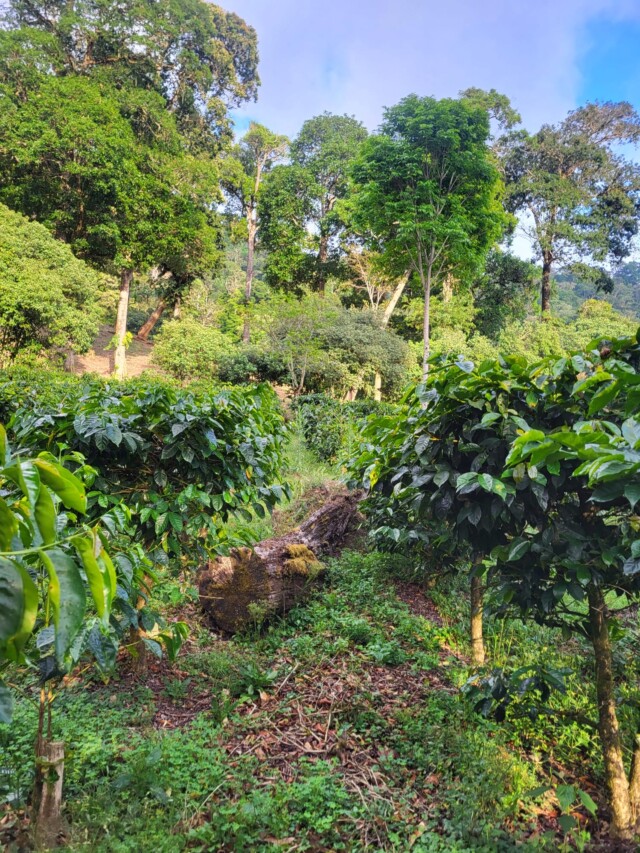
The farm has become internationally renowned for its commitment to ecosystem preservation. The coffee trees grow beneath the protective shade of native tropical rainforest trees. The Hartmann family makes every effort to avoid cutting down trees, and they always replant with native species and banana plants to maintain the natural cycle and ensure healthy soil and wildlife. Their aim is twofold: to preserve their beloved terroir for future generations and to maintain a sustainable cycle of coffee quality over the long term. The large quantities of leaf litter produced by these trees decompose into humus, which fertilises the soil.
No pesticides have been used at Finca Hartmann for decades. As mentioned, the goal is to cultivate high-quality coffee sustainably and with respect for the rainforest. All sorting before processing is carried out by hand, and cherries that do not meet the required standards are used as organic fertiliser. The farm has an abundant supply of natural water, and growing coffee in the rainforest minimises its environmental impact.
“My father always linked coffee production with environmental conservation” says Ratibor Hartmann.
Around 200 families from the indigenous Ngöbe community return to Hartmann every year for the harvest season, partly because they appreciate the farm’s philosophy: working alongside nature and cultivating the land without destroying it. Panama is a relatively prosperous country in Latin America, with the highest minimum wage in the region. The Hartmann family values a decent income and good working and living conditions for its workers. In fact, they are coffee designers. The farm regularly employs around 35 people.
Alongside Panama’s native varieties, the Hartmann family, also pioneers in experimentation, are exploring new varieties that were not previously grown in Panama, such as Wush Wush, Chicho Gallo, SL28 and Pink Bourbon. They seek out specific terroirs within their farms so that each of these coffees can achieve the fullest possible expression of its aromatic and flavour profiles. They also advise coffee growers in their surrounding area and in other parts of Panama. The Hartmann family are coffee designers.
22,50 € – 90 €
Envío gratuito a partir de 40€ de compra. (Península y Baleares)